Stamped Concrete vs. Pavers for Commercial Properties: Pros and Cons
People seeking commercial stamped concrete installation aim to enhance durability and aesthetics, and local service providers can help determine whether stamped concrete or pavers suit their property needs best.
Choosing the right surface for a commercial property’s outdoor spaces can significantly impact both appearance and functionality. Property owners in the area often explore options like stamped concrete and pavers to find solutions that balance durability, aesthetic appeal, and maintenance needs. Understanding the pros and cons of each can help decision-makers make informed choices that align with their property’s specific requirements. Local contractors specializing in stamped concrete installation frequently assist with this process, offering insights into how different materials perform in various conditions and helping to bring design visions to life.
As the discussion of stamped concrete vs. pavers for commercial properties unfolds, it’s important to consider practical factors such as installation complexity, longevity, and upkeep. While stamped concrete can provide a seamless, decorative surface, pavers offer flexibility and ease of repair. Property owners seeking a solution that combines visual appeal with practical benefits often turn to experienced service providers who can evaluate the unique needs of their outdoor spaces. Keep reading to explore the key differences and discover how local experts can help determine the best choice for a commercial property’s specific goals.
- Commercial stamped concrete installation - ideal for property owners seeking durable, decorative surfaces that can mimic high-end materials and are suitable for high-traffic areas, with local contractors emphasizing quick, efficient application.
- Stamped concrete vs. pavers for commercial properties: pros and cons - property managers weighing long-term maintenance considerations often turn to local pros experienced in concrete sealing and repairs to ensure longevity.
- Concrete stamping services - suitable when a seamless, low-maintenance surface is desired for large outdoor spaces, with local service providers focusing on precise patterning and consistent finishes.
- Stamped concrete installation - preferred when a smooth, monolithic surface is needed for areas like walkways or patios, with local contractors emphasizing surface preparation and proper curing techniques.
- Commercial stamped concrete vs. pavers - clients evaluating cost-effectiveness and installation speed often work with local pros skilled in efficient concrete pouring and stamping methods to meet project timelines.
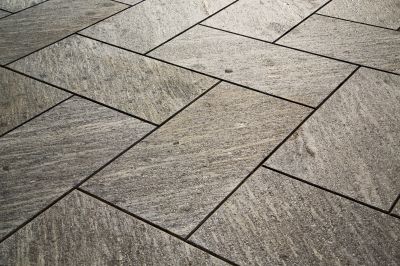
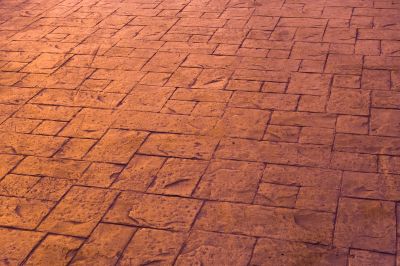
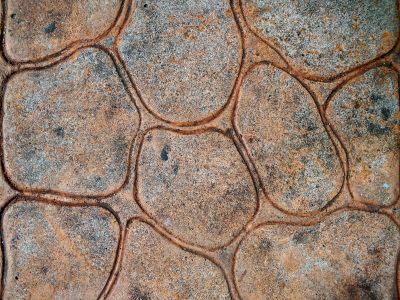
When people search for stamped concrete vs. pavers for commercial properties: pros and cons, they are usually exploring options for enhancing outdoor spaces such as parking lots, walkways, patios, or plazas. These projects often involve considerations of durability, appearance, and long-term maintenance, especially for properties that see frequent use by customers, employees, or tenants. Property managers and business owners typically want solutions that not only look professional but also withstand heavy traffic and varying weather conditions. This search reflects a desire to understand which material offers the best balance of style, longevity, and cost-effectiveness for their specific commercial setting.
The choice between stamped concrete and pavers often relates to the specific problems or plans associated with a commercial property. For example, a business might need a durable surface that can handle large vehicles or foot traffic without cracking or shifting. Others may prioritize aesthetic appeal to create an inviting environment that aligns with their brand image. Some projects are focused on easy installation and minimal disruption, while others emphasize long-term maintenance and repair costs. These considerations are especially relevant for properties like retail centers, office parks, or hospitality venues, where appearance and functionality are both critical. Local service providers who specialize in stamped concrete or paver installation can assess these needs and recommend the most suitable solution.
Types of properties that typically come up in discussions about stamped concrete vs. pavers for commercial properties include retail stores, restaurants, office complexes, and industrial facilities. These properties often require surfaces that are not only visually appealing but also capable of supporting heavy loads and frequent use. Parking lots and drive-thrus are common examples where durability and safety are paramount, making the choice of material a key factor in project planning. Additionally, properties with outdoor seating areas or landscaped walkways may look to stamped concrete for its ability to mimic natural textures or decorative patterns. Local contractors experienced in commercial stamped concrete installation can help property owners evaluate these factors and select the best material for their specific project needs.
Understanding the advantages and disadvantages of stamped concrete versus pavers helps property owners make informed decisions aligned with their project goals. While stamped concrete offers a seamless, customizable surface that can resemble stone or brick, it may be more prone to cracking over time if not properly installed or maintained. Pavers, on the other hand, provide flexibility and easier repair options since individual units can be replaced if damaged. Both materials have their unique strengths and limitations, which depend on the property's usage, climate conditions, and aesthetic preferences. Engaging with experienced local contractors ensures that commercial projects incorporate the right material choices, leading to durable, attractive outdoor spaces that meet the specific demands of each property.
Concrete stamping projects involve detailed patterns and textures similar to stamped concrete for commercial properties, requiring skilled planning and surface preparation that local contractors can provide.
Paving installation projects utilize interlocking materials and layout techniques comparable to pavers, with local service providers experienced in site assessment and material selection.
Landscape hardscaping involves designing durable surfaces and decorative elements, aligning with the skills needed for both stamped concrete and paver installations in commercial settings.
Surface finishing and sealing services are essential for protecting concrete and paver surfaces, ensuring longevity and aesthetic appeal, which local pros can expertly handle.
Site prep and grading are foundational steps for both stamped concrete and paver projects, requiring precise planning and soil assessment conducted by local contractors.
Custom decorative concrete work shares techniques with stamped concrete, involving pattern creation and surface detailing that local specialists can execute for commercial properties.
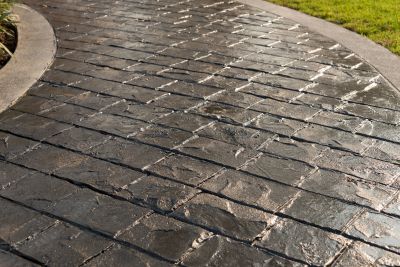
When evaluating service providers for commercial stamped concrete installation, it is important to consider their experience with similar projects. A contractor with a proven track record handling commercial properties can better anticipate the unique challenges and requirements of stamped concrete versus pavers. Asking for references or examples of past work in comparable settings can provide valuable insight into their expertise and the quality of their results. Clear, written expectations about the scope, design, and durability of the project help ensure that both parties are aligned and reduce the risk of misunderstandings during the installation process.
Effective communication and transparency are essential when comparing local contractors for stamped concrete versus pavers. A reputable service provider should be willing to discuss the advantages and limitations of each material, helping to clarify which option aligns best with the specific needs of a commercial property. Clear written estimates and detailed project descriptions can serve as a foundation for decision-making, ensuring that all aspects of the work are understood from the outset. Good communication also facilitates smoother project management and allows for timely addressing of any questions or concerns that may arise.
Finally, gathering reputable references and verifying the credibility of local contractors can significantly influence the success of a commercial stamped concrete or paver project. Trusted references from past clients who have completed similar projects can offer perspectives on the contractor’s professionalism, reliability, and quality of work. Choosing a service provider known for good communication and a transparent approach can lead to a more straightforward installation process and a finished surface that meets the expectations for durability and appearance. Taking the time to compare these aspects ensures that the chosen contractor is well-equipped to handle the specific demands of commercial stamped concrete or paver installations.
Property owners often search for stamped concrete vs. pavers for commercial properties: pros and cons when they are planning practical projects around their homes and businesses. Local pros provide Commercial Stamped Concrete Installation services for everyday jobs and straightforward project options.
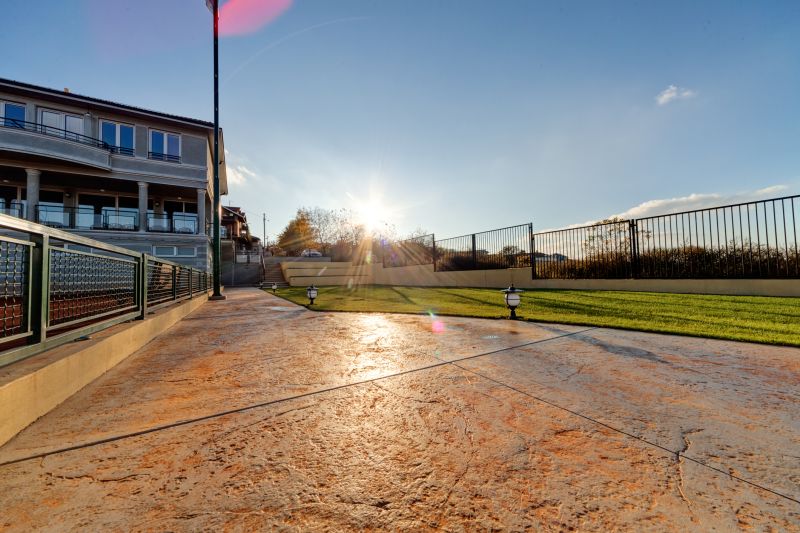
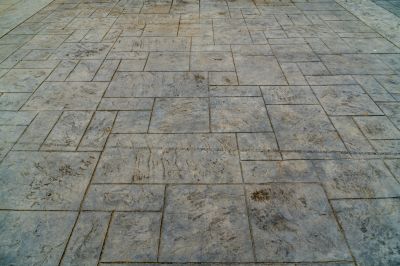
In many commercial property projects, property owners often compare stamped concrete versus pavers to determine the best surface for walkways, patios, or parking areas. Stamped concrete offers a seamless, uniform appearance that can mimic the look of stone or brick, making it a popular choice for those seeking a sleek, consistent finish. Pavers, on the other hand, provide a more textured, customizable surface with individual units that can be replaced if damaged, which can be advantageous in high-traffic or heavy-use areas. When considering these options, property owners might look into local contractors experienced in stamped concrete installation to evaluate how each material aligns with their aesthetic goals and practical needs.
For everyday project considerations, property owners may weigh the durability, installation process, and maintenance requirements of stamped concrete versus pavers. Stamped concrete tends to be quicker to install and can be more cost-effective initially, but it may require periodic sealing to maintain its appearance. Pavers typically involve a more detailed installation process and can be more labor-intensive, but they often offer easier repairs and replacement. Local service providers specializing in commercial stamped concrete installation can help assess which option best suits the property's usage patterns, helping property owners make informed decisions based on their specific needs and the characteristics of each surface type.
What are the main durability differences between stamped concrete and pavers for commercial properties? Stamped concrete offers a solid, continuous surface that can withstand heavy foot and vehicle traffic, while pavers are individually installed units that can shift or settle over time, potentially requiring maintenance or replacement.
How does installation complexity compare between stamped concrete and pavers? Installing stamped concrete typically involves pouring and stamping a single slab, which can be quicker but requires precise timing, whereas pavers are laid individually, allowing for easier adjustments but often taking more time to install.
Are there aesthetic differences between stamped concrete and pavers for commercial spaces? Stamped concrete can mimic various textures and patterns with a seamless appearance, while pavers offer a wide range of shapes, colors, and layouts, providing more design flexibility for commercial landscapes.
What maintenance considerations are associated with stamped concrete and pavers? Stamped concrete may need periodic sealing to prevent surface damage, whereas pavers can be lifted and reinstalled if damaged, making repairs more straightforward but potentially more frequent.
How do stamped concrete and pavers compare in terms of cost-effectiveness for commercial properties? While initial costs vary, stamped concrete generally offers a lower installation cost with less ongoing maintenance, whereas pavers may have higher upfront expenses but can be easier to repair or replace over time, depending on the project's needs.
Assess durability needs - property owners can work with local contractors to determine whether stamped concrete or pavers better withstand foot traffic and weather conditions for their commercial space.
Consider aesthetic goals - choosing between stamped concrete and pavers allows property owners to match the desired visual style by consulting local pros about available textures and patterns.
Plan for maintenance requirements - understanding the upkeep involved helps owners decide which material aligns with their operational needs, with local service providers offering guidance on long-term care.
Evaluate installation considerations - property owners can explore installation complexities and timelines with local contractors to select the most practical option for their project scope.
If you are thinking about stamped concrete vs. pavers for commercial properties: pros and cons for a property, this guide is meant to help you understand this topic, the typical project types, and how different options might fit your plans.
When you are ready, you can use the quote form on this page to share a few details about your project. From there, local pros can review the basics and follow up with options that match what you have in mind.